
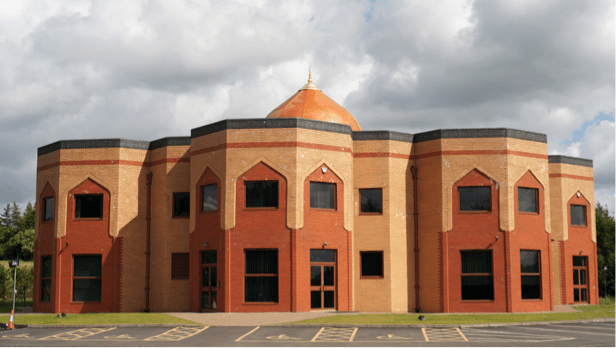
Ramadan is considered a month full of blessing, joy and togetherness for Muslim communities across the world. It is a month where Muslims choose to not eat, drink, smoke or have sex during the hours of sunrise to sunset for 30 days. Usually Mosques are filled with worshippers every night of the month standing in prayer, families and friends host extravagant dinners for each other at the time to break the fast and overall there is a sense of unity that isn’t present during the busy periods of our lives throughout the other eleven months of the year.
However, like near enough everything in life due to the coronavirus, circumstances have changed this year. Due to the restrictions for public safety, mosques as well as churches, synagogues and other places of worship have had to close their doors to their congregations. Easter during the lockdown was especially hard for many people who were unable to visit their grandchildren, families, friends, and were unable to attend their Easter service this year.
In Scotland, we have some of the longest periods of fasting in the world typically lasting eighteen hours where Muslims abstain from eating and drinking between roughly 3am and 9pm. Fasting is considered one of the five pillars of Islam and Ramadan is a period that allows Muslims to devote themselves to become closer to God. This Ramadan has focussed many people’s attention towards their relationship with their family, in addition to their usual prayers, as many families are spending an inordinate amount of time with their children at home.
Religious communities have had to adapt the way in which they practice their faith during the ‘lockdown period’ of the coronavirus pandemic amidst ensuring their congregations are safe and adhere to the government guidelines. Many Churches hosted live stream sermons to their usual congregations over the Easter period and the Muslim community has implemented similar ideas as Ramadan has begun. Imams across Scotland have taken to online podcast platforms and live stream YouTube channels to speak to their congregations daily to remind them of the blessings that can be found within hardship as many struggle to adapt to the new circumstances the world finds itself in.
The Muslim Council of Britain has produced guidelines on how to practice Ramadan safely this year including suggestions to organize ‘virtual iftars’ (breaking of the fast) with family and friends by using online resources. Ramadan is also a time to increase charitable donations and this has led to Muslim communities using their extra time to increase donations to the local community. Initiatives to provide food to staff in care homes, hospitals, GP hubs, the police and fire service have been started this Ramadan by Cumbernauld Mosque as well as Glasgow Central Mosque’s hot meal delivery service to support the elderly population and vulnerable groups who live alone. The lockdown has affected many communities in different ways, but as always we must remain positive and adhere to the government guidelines to get through this together.
This article was originally published in the Scots Independent (May 2020)
 Cllr Junaid Ashraf