
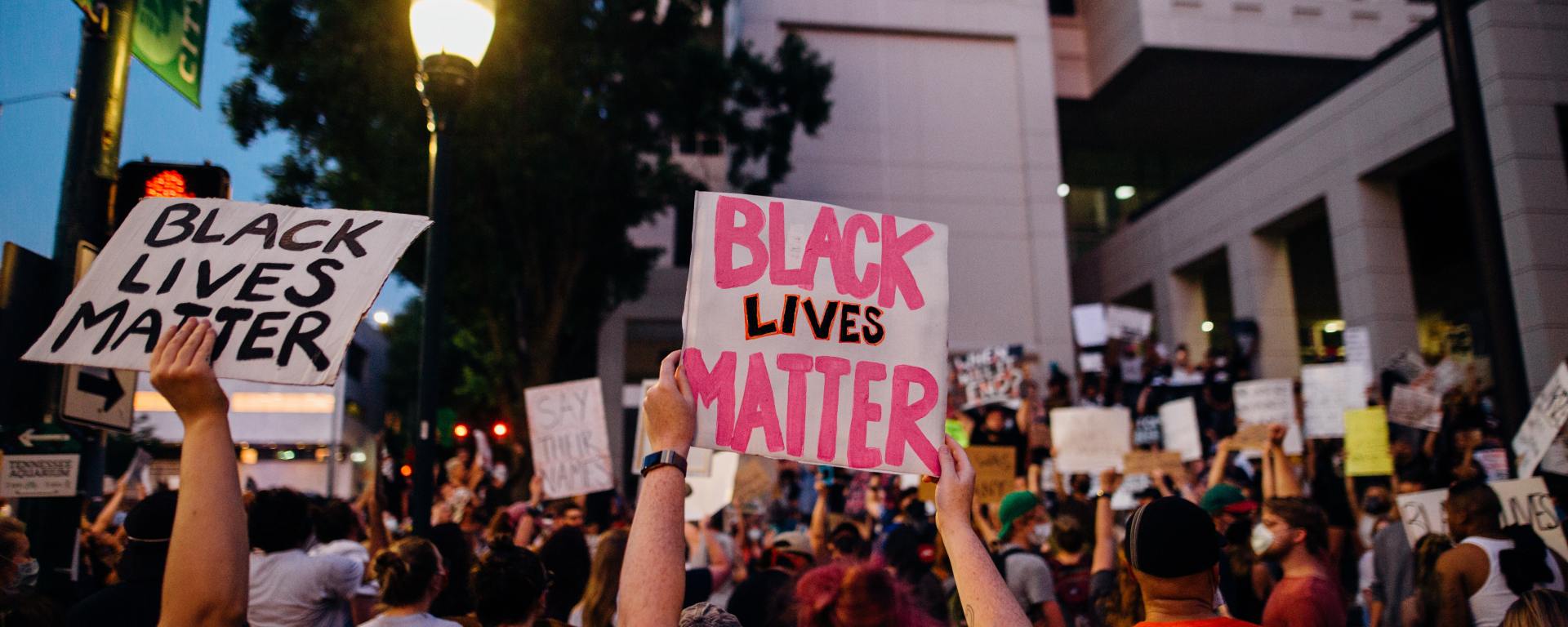
As we move from the peak of protests and awareness campaigns for the Black Lives Matter movement, a reasonable question to ask is – what positive consequences have come as a result of the racial equality commitments made in Scotland?
Within the Scottish Parliament, there is hope that with the approaching Holyrood elections in less than a year we may see Scotland’s first black parliamentarian elected. The SNP in particular who are forecast to win a majority, are currently in the process of developing an internal ethnic minority selection mechanism to support a diverse candidate list.
Another positive action that has taken place is the fast tracking of Edinburgh’s Dundas statue to be dedicated to slavery victims. This will be done in the form of a plaque that shall explain the cruelty of Henry Dundas delaying the abolition of the trans-Atlantic slave trade, that led to more than half a million Africans to be enslaved due to his influence.
However, wider than the above actions I have personally seen an uprising in localised action in the form of several campaigns online. A campaign that is very important to many BAME people in Scotland is the call to decolonise Scotland’s education system. For those that are unaware of what this might mean in practical terms, it is about teaching the whole truth about Scotland’s history. It is not about creating a cruel picture of our nation’s past. Education must be more inclusive as a whole to include the experience of the entirety of our population to further positive community cohesion.
It is quite often the educational experience of many pupils in Scottish schools to learn about a soldier’s life in the trenches, to read through poems and be told of our soldier’s sacrifice. All of which is important and no one is advocating that this should change. However, it is very saddening that pupils leaving Scottish high schools can probably tell you what a Scottish soldier ate in World War I but would be surprised to learn that approximately 1.3 million Indian soldiers served in World War One as part of the British Army and over 74,000 lost their lives. Food, ammunition and money were taken from India to the equivalent tune of billions of pounds in today’s currency to fund the war effort. In return for India’s contribution, the British promised progressive self-rule to India at the end of the war. They did not keep to their word. I believe learning this aspect of our past is important to truly understanding the whole truth of our actions as a former colonial ruler. This is in addition to a more in depth understanding of the trans-Atlantic slave trade, Britain’s actions in colonising a great proportion of the world and specifically Scotland’s major role in the ‘success’ of the British Empire.
As a Councillor, I hope to bring about this change through a holistic approach in North Lanarkshire through the two motions I am tabling in the full council meeting in mid-August. Through my proposed motions, there will be the creation of a localised BAME working group to allow suggestions to be directly made to Councillors and Council officers as well as consideration given to how we can incorporate a decolonised curriculum throughout our primary schools and high schools.
Overall, although the hype around the racial equality movement may have died down in the mainstream media headlines, I am very glad to work is still progressing to make sure that real action is being achieved due to the grassroots campaigning that swept the globe.
This article was originally published in the Scots Independent (August 2020)
 Cllr Junaid Ashraf